Advancements in Exoskeleton Technology for Paralyzed Individuals
- Monty Reed
- May 25
- 4 min read

The world of assistive technology is rapidly evolving, and one of the most exciting developments in recent years is the advancement of exoskeleton technology. These wearable robotic suits are designed to help individuals with paralysis regain mobility and independence. As researchers and engineers continue to innovate, the potential for exoskeletons to transform lives is becoming increasingly evident. This blog post will explore the latest advancements in exoskeleton technology, the impact on paralyzed individuals, and what the future holds.
Understanding Exoskeleton Technology
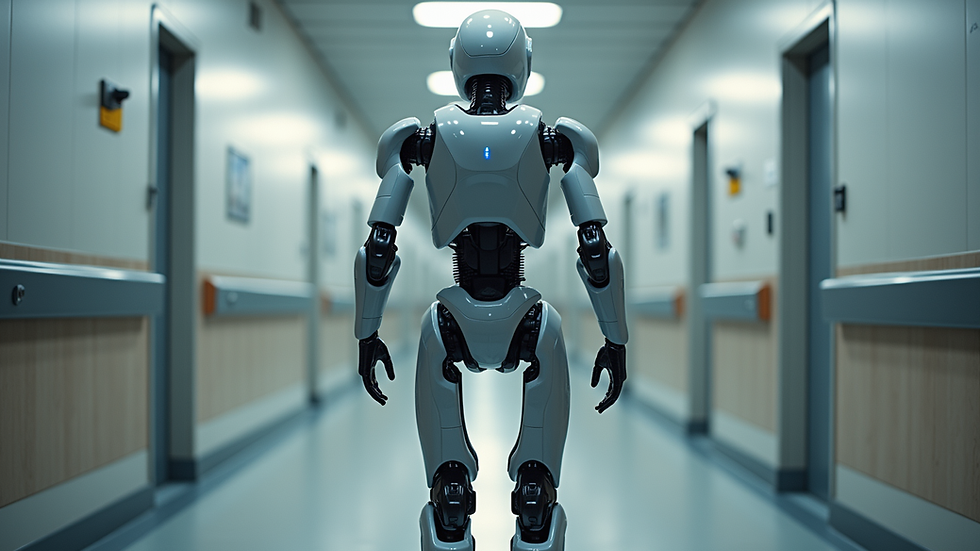
Exoskeletons are wearable devices that work in tandem with the user’s body to enhance movement. They can be powered by motors, hydraulics, or even the user’s own muscle movements. The primary goal of these devices is to assist individuals with mobility impairments, particularly those who are paralyzed due to spinal cord injuries, strokes, or other medical conditions.
Types of Exoskeletons
Active Exoskeletons: These are powered by motors and are designed to assist with movement. They can help users walk, stand, and perform daily activities.
Passive Exoskeletons: These rely on springs and other mechanical systems to provide support without any powered assistance. They are often used for rehabilitation and physical therapy.
Hybrid Exoskeletons: Combining both active and passive features, hybrid exoskeletons offer a versatile solution for various rehabilitation needs.
Recent Advancements in Exoskeleton Technology
Enhanced Mobility Solutions
Recent advancements have led to the development of exoskeletons that allow users to walk more naturally. For instance, the EksoGT is a robotic exoskeleton that enables individuals with lower limb paralysis to stand and walk. It uses advanced sensors to detect the user’s movements and adjust accordingly, providing a more intuitive experience.
Improved Battery Life and Portability
One of the significant challenges with exoskeletons has been their weight and battery life. Newer models, such as the ReWalk, have made strides in reducing weight and improving battery efficiency. This means users can wear the device for longer periods without feeling fatigued, enhancing their overall experience.
Integration with Virtual Reality
Some companies are exploring the integration of exoskeletons with virtual reality (VR) technology. This combination allows users to engage in immersive rehabilitation experiences, making therapy sessions more enjoyable and effective. For example, using VR, users can practice walking in various environments, which can help improve their confidence and skills.
Customization and Personalization
Advancements in 3D printing technology have made it possible to create customized exoskeletons tailored to the individual needs of users. This personalization ensures a better fit and increased comfort, which is crucial for long-term use.
The Impact on Paralyzed Individuals
Regaining Independence
Exoskeletons have the potential to significantly improve the quality of life for paralyzed individuals. By enabling them to stand and walk, these devices can help users regain a sense of independence. For many, the ability to perform daily activities without assistance is a life-changing experience.
Psychological Benefits
The psychological impact of using an exoskeleton can be profound. Many users report feeling more empowered and confident when they can move independently. This newfound mobility can lead to improved mental health and overall well-being.
Social Integration
Exoskeletons also facilitate social interactions. Individuals who use these devices can participate in social activities that may have been challenging or impossible before. This increased social engagement can lead to stronger relationships and a more fulfilling life.
Challenges and Limitations
Despite the advancements, there are still challenges to overcome in exoskeleton technology. Some of the key limitations include:
Cost: Many exoskeletons are expensive, making them inaccessible for some individuals. Insurance coverage for these devices is also inconsistent.
Training Requirements: Users often require extensive training to operate exoskeletons effectively. This can be a barrier for some individuals, particularly those with severe disabilities.
Physical Limitations: Not all individuals with paralysis can use exoskeletons. Factors such as the level of injury and overall health can impact usability.
Future Directions in Exoskeleton Technology
Research and Development
Ongoing research is crucial for the continued advancement of exoskeleton technology. Researchers are exploring new materials, designs, and control systems to enhance functionality and user experience. For example, studies are being conducted on brain-computer interfaces that could allow users to control exoskeletons with their thoughts.
Collaboration with Healthcare Providers
Collaboration between engineers, healthcare providers, and patients is essential for developing effective exoskeleton solutions. By working together, stakeholders can ensure that the technology meets the needs of users and integrates seamlessly into rehabilitation programs.
Expanding Applications
While exoskeletons are primarily used for rehabilitation, there is potential for expanding their applications. For instance, they could be used in industries such as construction or manufacturing to assist workers with mobility impairments, promoting inclusivity in the workforce.
Conclusion
The advancements in exoskeleton technology are paving the way for a brighter future for paralyzed individuals. With improved mobility solutions, enhanced psychological benefits, and increased social integration, these devices are transforming lives. As research continues and technology evolves, we can expect even more innovative solutions that will empower individuals with mobility impairments. The journey toward greater independence and quality of life is just beginning, and the possibilities are endless.
By staying informed and supporting advancements in this field, we can help ensure that everyone has the opportunity to lead a fulfilling life, regardless of their physical limitations.
Comments