Inspiring Stories: Walking Again with Powered Exoskeletons
- Monty Reed
- May 25
- 4 min read

Imagine a world where individuals who have lost the ability to walk can regain their mobility through advanced technology. This is not just a dream; it is becoming a reality thanks to powered exoskeletons. These innovative devices are transforming lives, offering hope and independence to those who have faced significant physical challenges. In this blog post, we will explore the inspiring stories of individuals who have walked again with the help of powered exoskeletons, the technology behind these devices, and the future of mobility solutions.
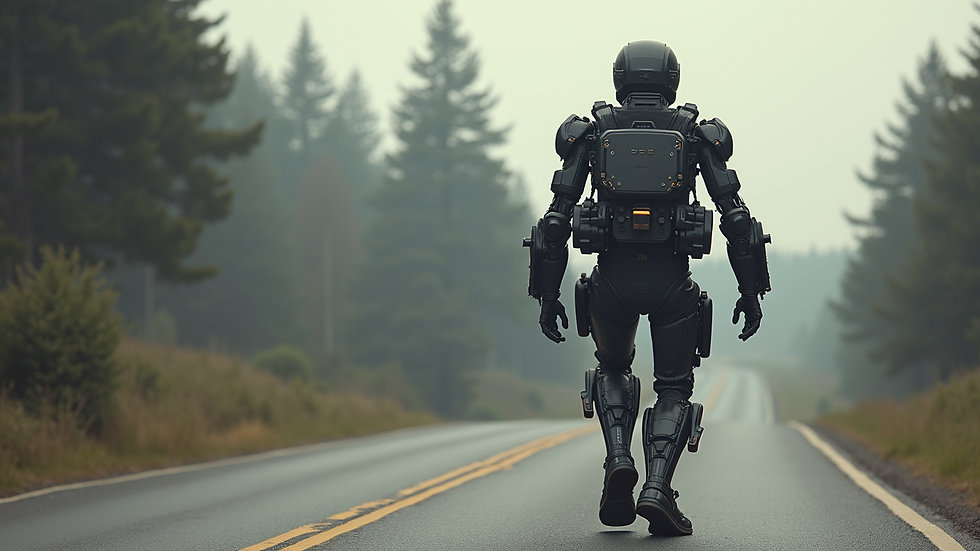
Understanding Powered Exoskeletons
Powered exoskeletons are wearable devices that enhance the user's strength and mobility. They are designed to assist individuals with lower limb disabilities, allowing them to stand, walk, and even climb stairs. The technology behind these exoskeletons combines robotics, biomechanics, and artificial intelligence to create a supportive framework that responds to the user's movements.
How Do Powered Exoskeletons Work?
Powered exoskeletons utilize a series of motors, sensors, and control systems to facilitate movement. Here’s a breakdown of how they function:
Sensors: These detect the user's movements and intentions. For example, if a user leans forward, the sensors signal the exoskeleton to initiate walking.
Motors: These provide the necessary power to move the joints of the exoskeleton, mimicking natural human movement.
Control Systems: These systems process the data from the sensors and coordinate the motors to ensure smooth and safe movement.
The combination of these components allows users to regain a sense of independence and mobility that they may have lost due to injury or illness.
Inspiring Stories of Transformation
John’s Journey to Mobility
John, a 32-year-old veteran, faced life-changing injuries after serving in the military. After a tragic accident, he was left paralyzed from the waist down. For years, he struggled with the emotional and physical challenges of his condition. However, everything changed when he was introduced to a powered exoskeleton.
With the help of a rehabilitation center, John began using the exoskeleton during therapy sessions. The first time he stood up and took steps again was a monumental moment. “It felt like I was reclaiming my life,” he shared. The exoskeleton not only helped him walk but also boosted his confidence and motivation to engage in physical therapy.
Maria’s Newfound Independence
Maria, a 45-year-old woman who suffered a spinal cord injury in a car accident, had been confined to a wheelchair for over a decade. After learning about powered exoskeletons, she was determined to try one. The rehabilitation center provided her with access to the latest technology.
During her first session, Maria was able to walk across the room. “I never thought I would feel the ground beneath my feet again,” she exclaimed. The experience was not just physical; it was emotional. Maria reported feeling a sense of freedom and empowerment that she had not experienced in years.
The Impact on Quality of Life
The stories of John and Maria highlight the profound impact that powered exoskeletons can have on individuals' lives. Beyond the physical ability to walk, these devices contribute to improved mental health, social interaction, and overall quality of life. Many users report feeling more connected to their families and communities, as they can participate in activities they once thought were impossible.
The Technology Behind the Transformation
Types of Powered Exoskeletons
There are various types of powered exoskeletons designed for different needs:
Rehabilitation Exoskeletons: These are primarily used in therapy settings to help patients regain mobility and strength.
Mobility Exoskeletons: Designed for everyday use, these devices allow individuals to walk independently in their daily lives.
Industrial Exoskeletons: These are used in workplaces to assist workers in lifting heavy objects and reducing strain.
Advancements in Exoskeleton Technology
The field of powered exoskeletons is rapidly evolving. Recent advancements include:
Improved Battery Life: Longer-lasting batteries allow users to engage in activities for extended periods without needing a recharge.
Enhanced User Interfaces: More intuitive controls make it easier for users to operate the exoskeleton.
Lightweight Materials: The use of advanced materials reduces the overall weight of the exoskeleton, making it more comfortable to wear.
These advancements are making powered exoskeletons more accessible and effective for a broader range of users.
Challenges and Considerations
While powered exoskeletons offer incredible benefits, there are challenges to consider:
Cost: The price of powered exoskeletons can be prohibitive for many individuals. Insurance coverage varies, and not all plans include these devices.
Training: Users often require extensive training to learn how to operate the exoskeleton effectively. Rehabilitation centers play a crucial role in this process.
Physical Limitations: Not all individuals are suitable candidates for powered exoskeletons. Factors such as overall health and specific injuries can impact usability.
Despite these challenges, the potential for powered exoskeletons to change lives is undeniable.
The Future of Mobility Solutions
As technology continues to advance, the future of powered exoskeletons looks promising. Researchers are exploring new materials, designs, and functionalities to enhance these devices further. Some exciting developments include:
AI Integration: Future exoskeletons may incorporate artificial intelligence to learn and adapt to the user's movements, providing a more personalized experience.
Telehealth Solutions: Remote monitoring and support could allow users to receive guidance and adjustments to their exoskeletons from home.
Broader Applications: Beyond rehabilitation, powered exoskeletons may find applications in various fields, including sports and military training.
Conclusion
Powered exoskeletons are not just machines; they are gateways to renewed independence and hope for many individuals. The inspiring stories of people like John and Maria remind us of the resilience of the human spirit and the transformative power of technology. As advancements continue, we can look forward to a future where mobility is accessible to all, allowing individuals to reclaim their lives and walk again.
If you or someone you know is interested in learning more about powered exoskeletons, consider reaching out to local rehabilitation centers or organizations specializing in mobility solutions. The journey to walking again may be closer than you think.
Comments